When Should You Hire a CRM Consultant for Expert Help?
Published on June 18, 2025
Managing customer relationships can quickly become overwhelming without the right tools. A good CRM system helps you keep contacts organized, simplifies your sales and marketing workflows, and shines a light on the data that matters most. When set up well, it can free up your time and boost your bottom line.
That said, implementing a CRM isn’t always smooth sailing—over 70% of CRM projects don’t deliver on their promises. Common hang-ups include rushing the setup, skimping on training, or struggling to get everything to play nicely with existing software. But with thoughtful planning and some expert help, those pitfalls become much easier to avoid. When you really understand how to make your CRM work for your unique business, it becomes a solid foundation for building stronger customer relationships and sustainable growth.
- Bringing all your customer data into one place
- Making sales and marketing more efficient
- Unlocking insights that guide smarter decisions
Case studies like the Small Accountancy Business Case Study Part #4 show how businesses can transform their routines and results by investing in the right CRM approach. The path can be complex, but the payoff is well worth the effort. This overview sets up a deeper dive into how working with an expert can sharpen your CRM strategy and make the system truly indispensable.
What Exactly Does a CRM Consultant Do?
Think of a CRM consultant as the guide who makes sure your CRM system is more than just software—it’s a tool that fits perfectly with your business goals. They help map out the plan, tailor the setup, and keep everything running smoothly, both technically and for your team.
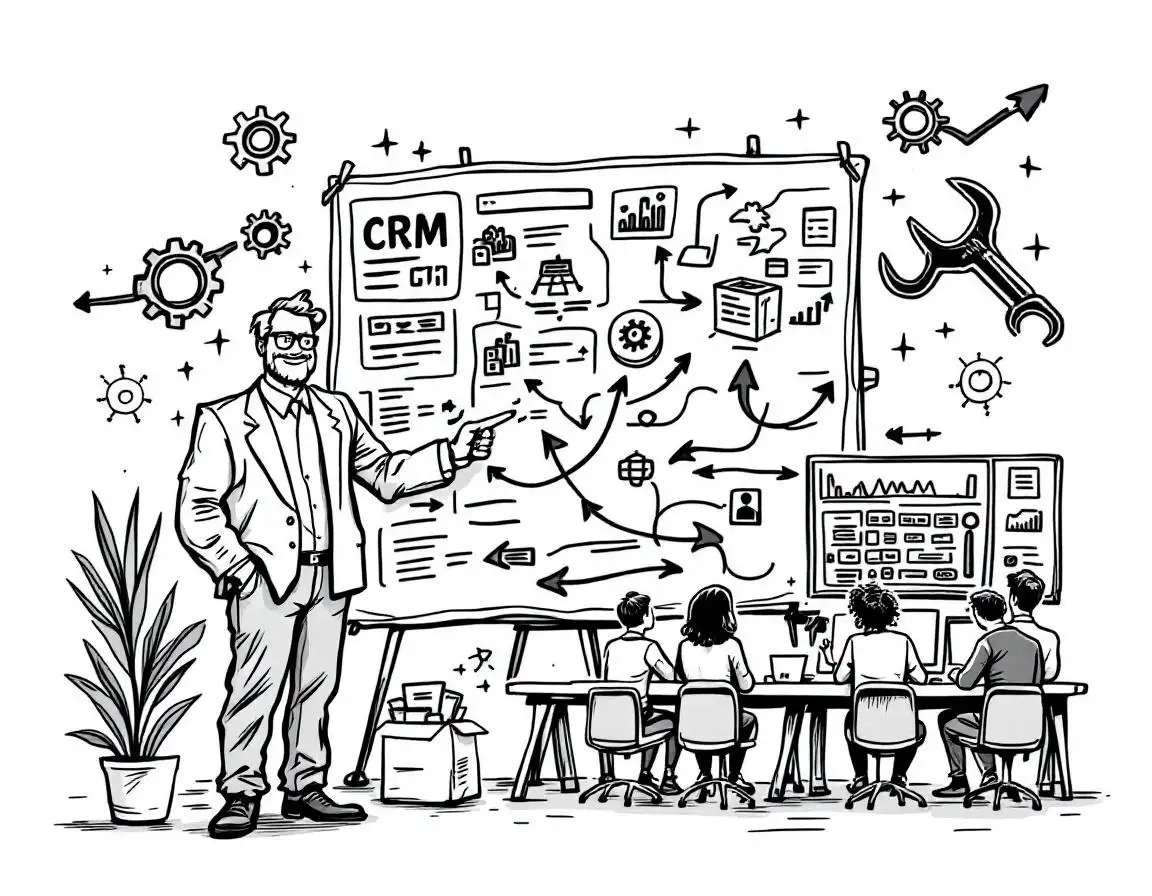
Here’s what you can expect them to handle:
- Planning your CRM strategy and configuring the system
- Making sure your existing data moves over cleanly
- Training your team and encouraging adoption
- Providing ongoing support and fine-tuning
Struggles with user training are real: about one in four businesses hit roadblocks here. That’s where a consultant can make a big difference, turning confusion into confidence so everyone gets the most out of the system. Plus, integrating a CRM with your current tools isn’t always plug-and-play—two-thirds of companies find data migration and integration tricky. A consultant takes that off your plate, boosting data accuracy and saving you headaches. If you want a peek into one type of integration, check out How to Integrate Jetpack CRM with Give WP to see it in action.
How to Know When It’s Time to Call in a CRM Consultant
For solo business owners or WordPress site managers juggling everything themselves, figuring out when to bring in extra help can be tough. But there are definite warning signs that suggest it’s time to get some expert support.
Here are some red flags:
- Your team isn’t using the CRM fully or correctly
- Data migration feels overwhelming or keeps causing errors
- Your CRM won’t play nicely with other software you rely on
| Issue | How Common It Is |
|---|---|
| User adoption struggles | 25% |
| Data migration complications | 67% |
| Integration problems | 58% |
If salespeople complain the system slows them down or you notice features left untouched, you could be missing out on real opportunities. Only around 37% of reps say their teams use their CRM to its full potential—leaving a lot on the table. For ways to get more from your CRM, this article on 5 Reasons Why Jetpack CRM is the Ideal WooCommerce CRM can spark some ideas.
What a CRM Consultant Brings to Your Customer Relationships
A skilled CRM consultant does more than just configure software; they help you connect better with your customers by making sense of your data and tailoring the experience. Think of it like crafting messages and offers that actually resonate with what your customers want and need.
With detailed insights into who’s buying what, when, and how, your team can anticipate concerns, follow up at just the right time, and segment your leads so every outreach feels personal. Automating follow-ups or fine-tuning how you categorize customers are just a couple of ways consultants add value—turning routine tasks into trust-building moments.
“A good CRM consultant transforms your customer data into actionable insights, turning potential challenges into opportunities.”
They also pinpoint features you might be overlooking, helping you squeeze every bit of value from your CRM investment. If you want to see how CRM experts integrate and enhance customer support, resources like Integrating Jetpack CRM with Awesome Support offer practical examples.
How CRM Expertise Can Simplify Your Day-to-Day Business
When your CRM is set up right, it doesn’t just manage contacts—it makes your whole business run smoother. Automating those repetitive tasks saves time, so you can respond faster and close deals quicker.
CRM consultants take workflows a step further. They centralize your data, hook it up to the tools you already use, and create dashboards that put the most important numbers right in front of you. That means less fumbling between apps and more focus on growing your business.
Some smart moves they might implement:
- Integrating your CRM with other business tools to keep everything in sync
- Automating emails and follow-ups so nothing falls through the cracks
- Building customized dashboards for instant insights
- Keeping customer data tidy and up to date
If you want a deeper dive into automating sales with WordPress tools, check out How to Automate Your Sales Process with a WordPress CRM. It’s a great example of what’s possible with the right guidance.
Is Hiring a CRM Consultant Worth the Cost? Breaking It Down
Bringing in a CRM consultant is an investment, but one that often pays for itself in efficiency gains and happier customers. Without expert help, about 42% of businesses struggle because they don’t have the know-how to make their CRM work well.
Here’s what you get when you hire a pro:
- A CRM setup customized to fit your way of working
- Training that actually sticks, so your team is onboard
- Support through tricky moves like data migration and integrations
- Actionable insights from your data to fuel better decisions
Since consultants help ensure your CRM grows with your business, their fees can quickly be covered by improved performance and new revenue opportunities. For budgeting guidance and value-focused options, The Best CRM for Small Teams is a solid place to start.
Finding a CRM Consultant Who’s the Right Fit for You
Picking a CRM consultant is about matching their strengths to your business. Because CRM setups can get complicated—especially with integration and user adoption—it pays to be thorough in your search.
Here are a few things to keep in mind:
- Experience: Look for consultants who’ve successfully worked with businesses like yours.
- Client Feedback: Honest testimonials show how well they deliver and communicate.
- Technical Know-How: Make sure they understand the software and plugins you need connected.
- Customization Skills: They should be able to tweak the system to suit your specific workflows and challenges.
For example, guides like How to Integrate Jetpack CRM with the KnowAll Theme highlight the flexibility needed in CRM setups. The best consultants also stick around after launch to keep your team sharp and your system running smoothly.
Want to see how expert help plays out in real life? The Small Accountancy Business Case Study Part #4 is a great example of a journey that led to long-term results. In the end, doing your homework upfront and clearly explaining your needs lays the groundwork for a partnership that can grow with your business.
How Working with a CRM Pro Supercharges Your System’s Potential
Teaming up with a CRM consultant isn’t just about fixing issues—it’s about unlocking your system’s full power. Their expertise makes sure all the pieces come together to deliver smoother operations and better customer experiences.
They dive deep into user training, nurture seamless integrations, and turn raw data into clear, actionable strategies. Since only around 37% of users leverage their CRM fully, expert help can turn a good system into a game changer.
Plus, consultants bring the latest industry know-how to keep your CRM sharp, helping you get more from tools like Jetpack CRM’s Mail Campaigns. With their guidance, your CRM becomes less “just software” and more a core strength in how you do business.
At the heart of it, success is about continuous improvement supported by expert advice—making sure every customer touchpoint counts and every piece of data works for you.
Frequently Asked Questions about Hiring a CRM Consultant
When is the optimal time to hire a CRM consultant?
The best time to engage a CRM consultant is when your internal team is facing challenges with user adoption, data migration, or when your current setup is underutilizing the CRM tools. Early intervention can save you from costly errors later on.
What are the main benefits of hiring a CRM consultant?
They provide tailored system configuration, offer robust training programs, streamline integrations with other business tools, and deliver ongoing support to ensure that your CRM system achieves its full potential.
How much does it typically cost to hire a CRM consultant?
The cost can vary widely based on the complexity of your needs and the duration of the engagement. However, most experts view it as an investment that paysback through enhanced efficiency and improved customer relations.
How do I evaluate the expertise of a potential consultant?
Look for case studies, testimonials, and real-life examples of their work. Article resources, such as The Best CRM for Small Teams, can also provide insights into successful implementations.
Can a CRM consultant help with integration issues?
Yes, one of the critical roles of a CRM consultant is to manage technical integration issues, ensuring seamless synchronization between your CRM and other systems while maintaining data integrity.
What if my business is too small for a CRM consultant?
Even small businesses can benefit from expert advice. Tailored solutions help maximize efficiency without incurring unnecessary costs, as seen with platforms like Jetpack CRM that cater to small teams.

 airline