
What Are the Key CRM Metrics & KPIs to Monitor for Success?
Published on June 19, 2025
Running a business—whether you’re a solopreneur, or part of a small team—means staying close to your customers. Tracking key CRM metrics and KPIs helps you understand what your customers really think, how fast you’re responding, and where your process might be slipping.
Picture this: you own a small boutique where every piece of customer feedback counts. By monitoring your Customer Satisfaction Score (CSAT), which measures the percentage of happy customers from survey responses, you get a direct line to how well you’re serving your buyers. If 400 out of 500 customers share positive feedback, your CSAT is 80%—a strong sign your customers are likely to come back and tell their friends.

Turn those numbers into practical insights you can use to sharpen your business strategy, rather than just collecting data that sits unused. This post will break down which CRM metrics matter most, why they do, and how you can use them to spot problems early and build stronger customer relationships.
How CRM Becomes the Heart of Your Business
Imagine juggling a dozen different hats—handling leads, keeping customers happy, and growing your revenue. A good CRM acts like your control center—it keeps everything organized and lets you see where to focus your energy.
Take a boutique retailer for example. By digging into customer data, they spotted issues before customers even complained. And thanks to tracking Lead Response Time (LRT)—which studies show can increase the chance of qualifying a lead by up to 400% if you respond in under 10 minutes—they boosted conversions simply by acting faster.
Platforms tailored to your needs, like Jetpack CRM for WooCommerce, make daily operations smoother and turn raw data into smart decisions. It’s a bit like having your finger on the pulse of your business—knowing exactly when to speed things up or slow down based on what your customers tell you through their actions.
- Make smarter decisions with data backing every move.
- Respond faster to leads and watch your sales climb.
- Streamline daily tasks so you can focus on what really matters.
This way of working not only lifts your sales now but builds trust and loyalty that pay off down the line.
Which CRM Metrics You Should Keep an Eye On
Digging into CRM metrics gives you a clearer picture of what’s working and what could use some tuning. The key numbers you want to watch include Customer Satisfaction Score (CSAT), Lead Response Time (LRT), Customer Retention Rate, and Customer Lifetime Value (CLTV).
CSAT is straightforward but powerful—it measures how happy your customers are through quick surveys. Keeping an eye on LRT matters because if you let leads wait too long, they’re much less likely to turn into customers.
For instance, if you’re responding to leads within an average of 4 minutes—well under the 10-minute mark often recommended—you’re in a strong spot. Customer Retention Rate shows how many customers stick around, turning one-offs into loyal supporters. Meanwhile, CLTV estimates what each customer might be worth over time, helping you decide where to prioritize your marketing and service efforts.
Essential KPIs to Keep Your Business on Track
While metrics give you important data points, KPIs zoom in on goals that directly impact your bottom line. Two of the most useful KPIs to track are Customer Acquisition Cost (CAC) and Customer Lifetime Value (CLTV). Together, they help you balance your spending and growth.
CAC tells you exactly how much it costs to bring in a new customer, helping you see if your marketing budget is paying off. When CAC is low, it means your efforts are hitting the right targets efficiently.
CLTV, on the flip side, gives you the big picture on how valuable a customer relationship can be over time, guiding where to invest for long-term growth.
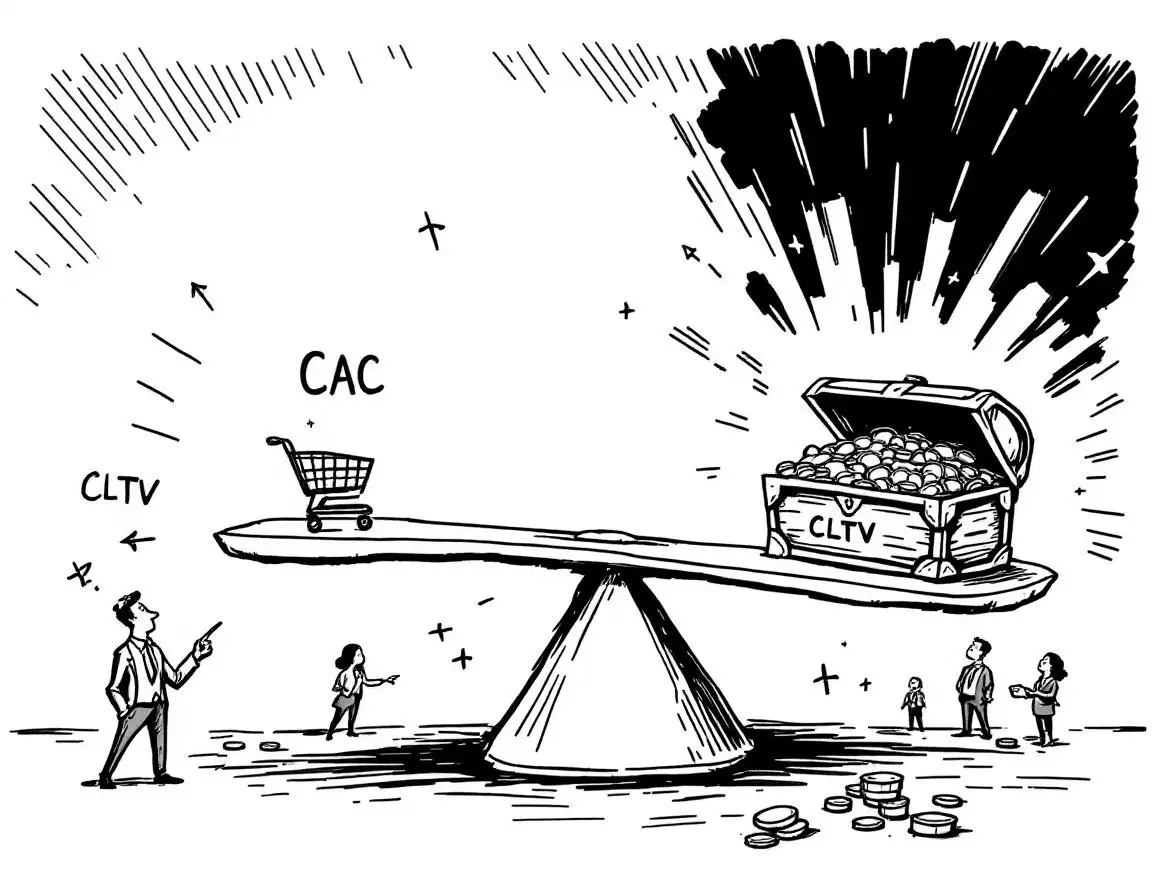
Imagine you’re running a lean, WordPress CRM system to keep CAC down while staying responsive. This lets you stretch marketing dollars further. The combined insight from CAC and CLTV encourages smarter spending and stronger customer bonds.
Other helpful KPIs could include the frequency of follow-ups or how often you successfully upsell existing clients.
- CAC: How much you invest to win each customer.
- CLTV: Forecasting revenue a customer might bring in.
- Upsell/Follow-up Metrics: How effective your ongoing engagement is.
Keeping up with these KPIs lets you adjust your tactics, making sure every dollar spent builds a lasting relationship.
Getting the Most from Your CRM Data
Gathering great data is only half the battle—organizing and analyzing it well is where the real magic happens. Start by making sure your CRM captures accurate data from all your customer touchpoints. Automate data entry where you can and review your system regularly to catch any errors before they pile up.
Break down your data into chunks: interactions, past purchases, and feedback. This kind of segmentation makes it easier to spot trends and patterns. For example, setting a weekly habit of reviewing metrics like CSAT and LRT can reveal issues before they snowball.
Visual tools go a long way here—dashboards, charts, or even simple HTML tables help you see improvements or dips at a glance.
“The real power of data lies in shining a light on both what’s working and what needs fixing,”
With your data well organized, running tests and responding quickly becomes a natural part of improving customer journeys.
- Automate data collection to cut down on mistakes.
- Segment your audience for precise understanding.
- Use visual tools to spot trends at a glance.
Done right, this creates a feedback loop that guides targeted improvements and powers your growth.
Simple Ways to Boost Your CRM Strategy With Metrics
Using CRM metrics isn’t just about numbers—it’s about making your business smarter step by step. Start by setting clear goals for each metric you track. If your CSAT drops, dive into customer service training. If your Lead Response Time lags, look for automation or workflow fixes that speed things up.
One study even showed that answering leads within 10 minutes can quadruple your chances of qualifying them, so speed pays off.
Encourage teamwork by holding regular metric reviews where marketing, sales, and support can share insights and troubleshoot together. Visual summaries like tables make this easier to digest:
| Metric | Goal | Next Action |
|---|---|---|
| CSAT | 80% or higher | Boost customer support training |
| LRT | Under 10 minutes | Set up lead alert automation |
| CAC | Keep as low as possible | Refine marketing spend |
By turning data into a clear action plan like this, you’re not just improving metrics—you’re building lasting customer trust and growing your business sustainably.
How CRM Metrics Directly Improve Customer Happiness
Customer satisfaction sits at the heart of every successful business, and CRM metrics give you a front-row seat to how your customers feel. Tracking CSAT scores helps pinpoint what’s working—and just as importantly, what needs fixing.
When most of your customers give you high marks—say an 80% CSAT—you’re probably doing something right. Combine that with timely follow-ups and proactive service fixes, and you create a cycle of happy customers who stick around and spread the word. If satisfaction dips, that’s your signal to jump on issues before they snowball.
Consider how responding quickly to leads—measured by LRT—makes the buying experience smoother and more inviting. Data shows that companies focused on CRM metrics generally keep their customers happier. You can find more real-life success stories in guides like Finding the best WooCommerce CRM.
- Higher CSAT scores lead to more organic growth through recommendations.
- Fast responses and proactive outreach nurture positive experiences.
- Keeping tabs on these metrics helps maintain consistent service.
Monitoring CRM metrics regularly helps you stay tuned to your customers’ needs—building a relationship that grows stronger over time.
Turning CRM Metrics into Real Competitive Strength
Smart businesses don’t just collect data—they use it to move faster and smarter than their competitors. By focusing on key CRM indicators like CAC, CLTV, and retention, you can identify new opportunities and pivot quickly when customers’ needs shift.
When you spot that lead response times dip or customer preferences change, you can adjust your approach before competitors even notice. This kind of agility builds a reputation for reliability and responsiveness that customers remember.
Integrating real-time feedback keeps your strategy alive and attuned to what your customers really want.
- Quick reactions: Spot and act on trends before others do.
- Lower costs: Reinvest savings from efficient acquisition strategies.
- Deeper loyalty: Build lasting relationships that set you apart.
This approach cuts wasted effort and builds a loyal customer base that’s tough for competitors to crack. It’s how smart businesses carve out space in crowded markets.
Making CRM Monitoring Work for You Every Day
Effective CRM monitoring is all about turning numbers into actions that grow your business and delight your customers. By watching critical metrics like CSAT, LRT, CAC, and CLTV, you can adjust your strategies to be more effective and resilient.
Small improvements—whether smoothing a dashboard or adjusting lead management—add up to a responsive system built for today’s customer expectations.
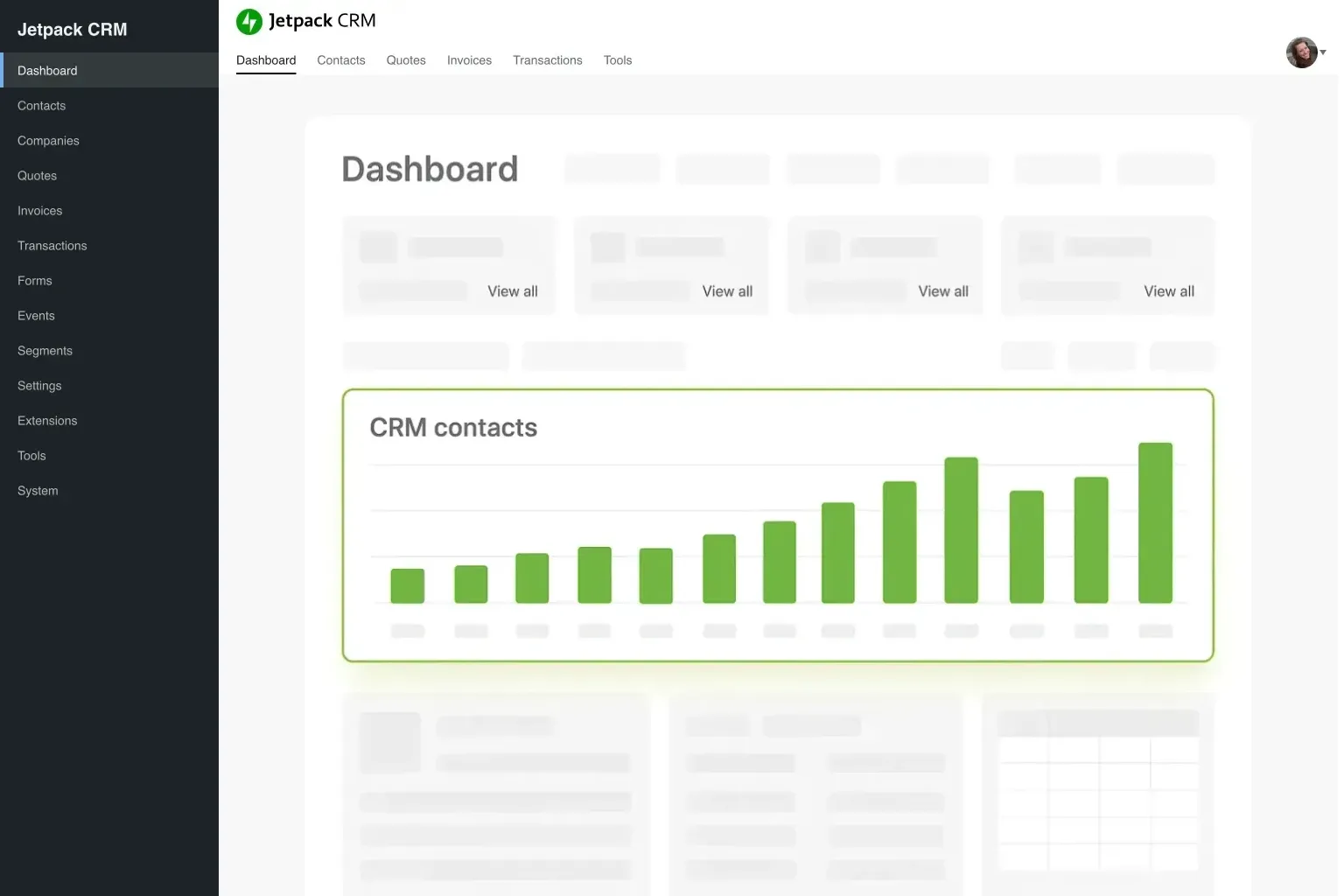
Sharing insights across your team and celebrating small wins keeps motivation high and ideas flowing. By integrating ongoing feedback, your CRM becomes a living tool that helps future-proof your business. When you monitor, analyze, and act on your metrics consistently, you’re investing in steady growth and a stronger connection with your customers.
FAQ: Common Questions About CRM Metrics and KPIs
What is the significance of monitoring CRM metrics?
Monitoring CRM metrics helps businesses identify trends in customer behavior, improve service delivery, and ultimately increase customer retention. Understanding these metrics allows you to address issues before they escalate, leading to better overall customer satisfaction.
How is the Customer Satisfaction Score (CSAT) calculated?
CSAT is calculated by dividing the number of satisfied customers (those who rate 4 or 5) by the total number of responses, then multiplying by 100. For example, if 400 out of 500 respondents are satisfied, the CSAT would be 80%.
Why is Lead Response Time (LRT) important?
Lead Response Time tracks how quickly a business responds to new leads. Research shows that delays beyond 10 minutes can significantly lower the odds of qualifying a lead, making LRT a critical metric for maintaining competitive edge.
How can I reduce Customer Acquisition Cost (CAC)?
Reducing CAC can be achieved by streamlining your lead generation process and improving targeting using efficient marketing strategies. Leveraging a CRM system that automates routine tasks.
What role do KPIs like CLTV play in CRM?
Customer Lifetime Value (CLTV) helps estimate the total revenue a business can expect from a customer over the lifetime of their relationship. This KPI is instrumental in determining the long-term value of customer retention efforts and guiding strategic investments in customer service and marketing.
Are CRM systems only suitable for large enterprises?
Not at all. Modern CRM systems are designed to scale and are equally beneficial for small businesses and solopreneurs. They are cost-effective, user-friendly, and can significantly enhance operations regardless of size.
How often should I review my CRM metrics?
It is recommended to review CRM metrics on a regular basis—weekly or monthly—to ensure that key indicators reflect the current state of customer interactions and business performance. This routine review enables prompt action when discrepancies appear.

 airline